Reviewing the Pride Queer SVG for Real Embroidery Projects
As a designer who has spent years translating digital concepts into stitched reality, I approach every new machine embroidery design with a mix of curiosity and caution. We have all been there: you download a file that looks stunning on a screen, only to find it turns into a puckered mess or an unintelligible blob once the needle hits the fabric. Recently, I evaluated the Pride Queer SVG Sublimation T-shirt design to see how it holds up not just as a graphic asset, but as a viable component for tangible, handmade products. While this product is marketed primarily for sublimation, its vector-based structure offers interesting possibilities for those of us working in the Crafts and Graphics sectors who want to adapt digital art for physical goods.
First Impressions: Mood and Visual Personality
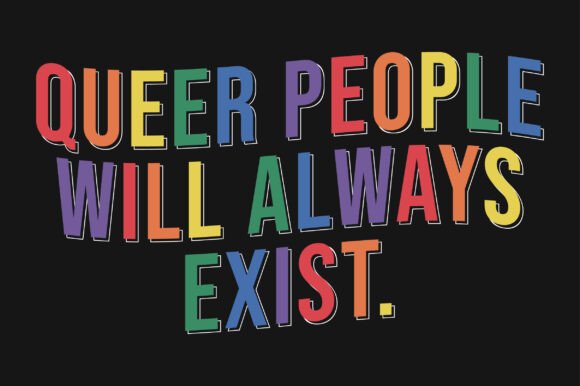
The first thing that strikes you about the Pride Queer SVG Sublimation T-shirt is its bold, celebratory mood. The layout is clean, relying on strong shapes rather than excessive noise, which is a good sign for any designer. When I opened the files, I noticed the description highlights that it is made with 100 vector shapes and is fully resizable. This is crucial. In the world of digital embroidery file preparation, scalability is everything. A design that loses integrity when scaled down is useless for small items like baby clothes or patches.
The visual personality here is modern and inclusive. It does not rely on outdated tropes but feels fresh, making it suitable for contemporary custom apparel. For an embroidery project, this means the lines are likely distinct enough to be traced or converted into stitch paths without losing their meaning. The ease of changing colors, as noted in the file description, allows for quick customization. This is a massive time-saver when you are trying to match specific brand colors for a client or creating a cohesive line of small shop product inventory.
Real-World Application: From Screen to Stitch
I recently worked on a custom order for a local boutique that wanted a line of inclusive tote bag design options for Pride month. The client needed something that would look professional on heavy canvas but also work on lighter cotton blends. This is where the Pride Queer SVG Sublimation T-shirt became a practical test case. Since the file comes in AI, EPS, SVG, and PNG formats, I was able to import the vector data directly into my digitizing software.
For a sweatshirt embroidery project, I found that the solid shapes within the design translated well into fill stitch areas. However, because the original intent is sublimation, the details are fine. When converting this for embroidery, one must be mindful of stitch density. If you simply auto-digitize a complex SVG, you risk creating a stiff, cardboard-like patch on soft fabric. My advice is to manually adjust the underlay and use a combination of running stitch for outlines and sparse fill stitches for larger color blocks. This maintains the soft hand feel that customers expect from high-quality handmade product items.
I also tested the design on a curved surface, specifically a baseball cap. Caps are tricky. The Pride Queer SVG Sublimation T-shirt design, being resizable, allowed me to shrink it to fit the front panel without losing clarity. However, I had to simplify some of the smaller elements. On a curved surface, intricate details can get lost or cause registration issues. By focusing on the core shapes and using bold thread colors, the final embroidered patch looked crisp and professional. It was not just a sticker on a hat; it felt integrated into the garment.
Navigating Fabric and Technical Challenges
Not every fabric behaves the same way, and this design requires careful consideration of fabric texture. On smooth, tightly woven cottons, the design shines. The lines are sharp, and the colors pop. However, when I moved to textured fabrics like terry cloth towels or fuzzy fleece, the finer details of the SVG began to disappear. For these materials, I recommend enlarging the design slightly and increasing the stroke width of any outline elements. This ensures that the applique design or standard embroidery remains visible and impactful.
Dark fabrics present another challenge. The Pride Queer SVG Sublimation T-shirt relies on vibrant colors. If you are stitching on black or navy, you cannot rely on the fabric to provide contrast. You must use a bright underlay or choose thread colors that stand out aggressively. I always test my designs in black and white mockups first to check for contrast issues. If the design looks muddy in grayscale, it will look muddy in thread. Adjusting the stabilizer is also key. For stretchy fabrics like jersey t-shirts, a cut-away stabilizer is non-negotiable to prevent distortion during washing.
One area to watch is the hoop size. While the design is resizable, pushing it too small on a 4x4 hoop can result in thread breaks and poor coverage. Always confirm your hoop size capabilities before committing to a production run. If you are making baby embroidery items, keep the design simple and avoid dense areas that might irritate sensitive skin. Softness is paramount for infant wear, so opt for lighter stitch counts and softer threads.
Commercial Viability and Brand Consistency
For Etsy seller accounts and craft business owners, the versatility of this design is a major asset. It fits seamlessly into holiday embroidery collections, wedding gifts, and everyday personalized gift categories. The ability to scale and recolor means you can create a entire product line from a single design assets purchase. Imagine offering matching sets: a tote bag, a pillow cover, and a kitchen towel, all featuring variations of the same core motif. This creates brand consistency and encourages higher cart values.
However, professionalism is key. Customers can tell when a design has been slapped on without thought. Taking the time to refine the digitizing, choose high-quality threads, and press the finished product properly elevates the perceived value. The Pride Queer SVG Sublimation T-shirt provides a strong foundation, but the execution is what builds customer trust. Use it to create printable mockup previews that accurately represent the stitched outcome, managing customer expectations effectively.
Practical Designer Notes for Best Results
- Test on Scrap First: Never run a new design on final fabric without a test stitch-out. Check for tension issues and thread breaks.
- Check Licensing: Before selling commercial embroidery items, confirm the license terms provided with the AI, EPS, and SVG files. Ensure you have the right to sell finished physical goods.
- Contrast is King: Review thread color contrast against your fabric. Use a color wheel to find complementary shades that make the design pop.
- Simplify for Small Hoops: If using small hoops, remove unnecessary detail. Focus on the main shape to ensure clarity.
- Stabilizer Selection: Match your stabilizer to your fabric. Use tear-away for stable wovens and cut-away for knits and stretchy materials.
- Inspect Details: Zoom in on the vector file. Look for overlapping paths or tiny nodes that might cause stitching errors. Clean up the file in your digitizing software if necessary.
In conclusion, the Pride Queer SVG Sublimation T-shirt is a versatile and robust asset for the modern maker. While it originates as a sublimation graphic, its vector nature makes it highly adaptable for embroidery when handled with care. By respecting the limitations of thread and fabric, and by applying thoughtful digitizing techniques, you can transform this digital file into a standout embroidery project. Whether you are decorating aprons, creating nursery decor, or launching a new line of boutique branding merchandise, this design offers the flexibility and visual appeal needed to succeed in today’s competitive craft market. Just remember: the file is only the starting point. Your skill and attention to detail are what truly bring it to life.