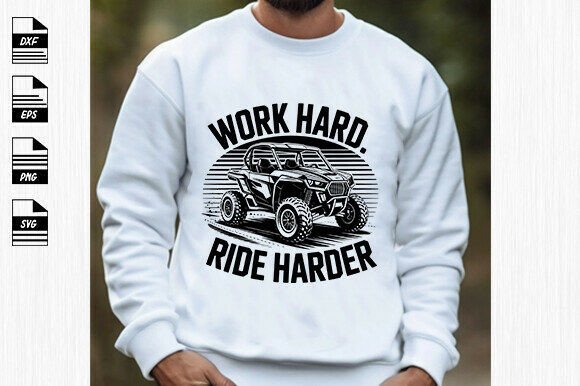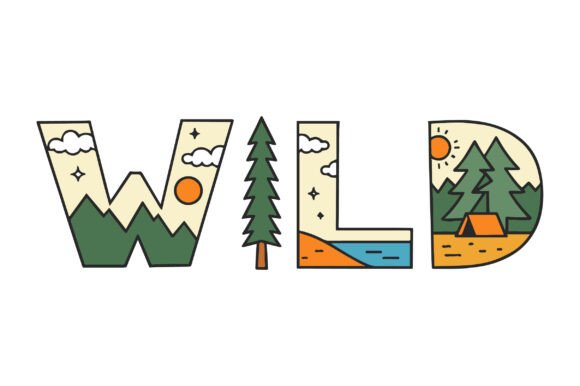
Reviewing the Camping SVG Sublimation T-Shirt Design
As a designer who spends half my life digitizing artwork and the other half testing it on actual fabric, I approach every new Camping SVG Sublimation T-Shirt file with a mix of curiosity and skepticism. We have all been there: you download a graphic that looks stunning on a white digital background, only to watch it collapse into a messy puckered disaster once the needle hits the hoop. Today, I am breaking down this specific design from the perspective of real-world application, moving beyond the pixel-perfect preview to see how it holds up in the gritty reality of embroidery production.
First Impressions and Visual Personality
The immediate mood of this design is rustic yet modern. It captures that outdoor enthusiast vibe without relying on overly complex textures that can be nightmare fuel for stitchers. When I first opened the files, noting that the package includes AI, EPS, SVG, and PNG formats, I was looking for clean vector paths. The description states it is made with 100 vector shapes and is fully resizable, which is a critical starting point. For us in the Crafts and Graphics space, scalability is non-negotiable. A design that loses integrity when scaled down for a baby onesie or up for a tote bag is essentially useless for a versatile craft business.
The layout feels balanced, with enough negative space to allow the fabric texture to breathe. This is vital because embroidery is not just about adding thread; it is about managing the relationship between the thread and the substrate. The visual personality suggests adventure and comfort, making it an ideal candidate for personalized gifts and boutique merchandise.
Real-World Application: From Screen to Stitch
To truly evaluate this Camping SVG Sublimation T-Shirt design, I imagined a specific client scenario. A local outdoor gear shop wanted a run of custom embroidered sweatshirts for their staff, along with matching tote bags for a summer promo event. This is where the rubber meets the road. How does this digital asset translate into a tangible handmade product?
For the sweatshirts, the design’s structure lends itself well to a combination of satin stitch borders and fill stitch interiors. Because the vectors are clean, converting this into a machine embroidery design requires minimal manual cleanup. I appreciated that the shapes are distinct, allowing for clear color separation. If you are an Etsy seller or small shop owner, this clarity means faster digitizing times and fewer errors during production. The result is a professional-looking embroidered patch effect that sits flat against the fleece, avoiding the bulk that often plagues dense outdoor-themed graphics.
When applied to a canvas tote bag, the design’s resilience shines. Tote bags endure heavy use, so the stitch density must be managed carefully. Since the file is resizable, I could adjust the scale to fit a standard 5x7 hoop without losing detail. The bold lines ensure that the imagery remains recognizable even from a distance, enhancing brand recognition for the shop. This versatility makes it a strong asset for commercial embroidery projects where consistency across different products is key.
Navigating Fabric Challenges and Hoop Constraints
However, no design is universal, and honest review requires discussing limitations. While the Camping SVG Sublimation T-Shirt graphic is robust, it demands respect when placed on challenging surfaces. For instance, using this on a curved surface like a cap requires careful consideration of the center front panel. If the design is too wide, it will wrap around the curve, distorting the image. I recommend testing a smaller version on a scrap piece of structured twill first to ensure the hoop size accommodates the width without pulling.
Textured fabrics present another hurdle. If you are stitching this onto a waffle-knit thermal or a rough linen, fine details may get lost. The running stitch elements, if present in the digitized version, need to be thick enough to stand out against the fabric grain. Similarly, on stretchy performance fabrics common in athletic apparel, a robust cut-away stabilizer is mandatory. Without proper stabilization, the tension from the fill stitches will cause the garment to pucker, ruining the aesthetic of the finished product.
Dark fabrics also require strategic planning. If the original SVG uses light colors, you must ensure your thread colors provide sufficient contrast. I always advise creating a black-and-white mockup before stitching. If the design disappears in grayscale, it will lack impact in real life. This step is crucial for maintaining customer trust and ensuring the final item matches the online listing photos.
Enhancing Product Value and Brand Consistency
From a business standpoint, the quality of your design assets directly influences perceived value. A crisp, well-executed embroidery project signals professionalism. When customers receive a high-quality personalized gift or custom apparel, they are more likely to leave positive reviews and return for future purchases. This design, with its clean lines and thematic appeal, supports that goal. It fits seamlessly into collections focused on holiday embroidery, such as Father’s Day gifts or back-to-school gear for outdoor-loving families.
For digital product sellers, offering this as part of a bundle can increase average order value. However, transparency is key. Ensure you understand the licensing terms associated with the AI, EPS, and SVG files. Can you sell the digital file itself, or only the finished physical items? Clarifying this protects your craft business from legal issues and builds integrity within the maker community.
Practical Designer Notes for Best Results
Before you commit to a full production run, here are my top recommendations for working with this type of asset:
- Test on Scrap Fabric: Always stitch a sample on the exact material you plan to use. Check for puckering, thread breaks, and color accuracy.
- Check Stitch Density: If you are digitizing this yourself from the SVG, avoid over-stitching. High density leads to stiffness and potential fabric damage.
- Verify Color Contrast: Ensure your thread choices pop against the fabric. Use a color wheel to find complementary shades that enhance visibility.
- Inspect Small Details: Zoom in on the vector file. Are there tiny anchor points or overlapping paths that might confuse your embroidery machine? Clean these up before digitizing.
- Use Proper Stabilizer: Match your stabilizer to your fabric. Cut-away for knits, tear-away for woven cottons, and wash-away for delicate materials.
- Confirm Licensing: Read the file description carefully. Understand whether the license allows for commercial use of finished goods or if there are restrictions on mass production.
Final Verdict
The Camping SVG Sublimation T-Shirt design is a solid addition to any designer’s library, provided it is handled with technical care. It offers the flexibility needed for diverse applications, from baby embroidery to rugged outdoor gear. Its strength lies in its clean vector construction, which translates well into stitch data when processed correctly. For the serious crafter, Etsy seller, or boutique owner, this file represents a reliable foundation for creating high-margin, visually appealing products. Just remember: the file is only as good as the execution. Take the time to test, adjust, and refine, and you will deliver a finished product that stands out in a crowded market.