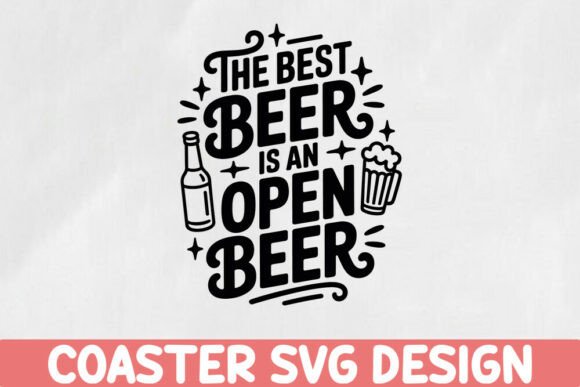
Coaster SVG Design: A Designer's Real-World Review
As a designer who spends more time staring at stitch maps than most people care to admit, I approach every new digital embroidery file with a mix of optimism and skepticism. We've all been there: you download a cute graphic, load it into your software, and realize the density is a nightmare or the details are too fine for anything but a display piece. That is why I took a close look at the Coaster Svg Design before committing it to a client project. This isn't just about whether the image looks good on a screen; it is about how it translates into thread, how it holds up on textured fabric, and whether it adds genuine value to a handmade product.
My first impression of this design was its clean, functional aesthetic. In the world of Crafts and Graphics, "coaster" themes often lean heavily into overly complex patterns that lose definition once stitched out. However, this particular asset strikes a balance. The layout feels intentional, with a visual personality that suggests durability and style. It has the kind of bold lines and clear shapes that naturally belong on home decor items, specifically kitchen textiles where clarity is key. When I opened the files—SVG, PNG, EPS, and DXF included in the zip—I immediately noted the vector quality. For us embroidery designers, having a crisp SVG or EPS means we can scale the design without losing edge definition, which is crucial when adapting a graphic for different hoop sizes.
Putting the Design to the Test: A Real-Life Scenario
To truly evaluate this machine embroidery design, I needed a realistic use case. I decided to simulate a custom order for a local boutique that specializes in housewarming gifts. The goal was to create a set of embroidered tea towels that could double as decorative wall art or functional kitchen linens. This scenario is perfect because it tests the design on a flat, woven surface that still has some texture, mimicking the conditions of a real coaster or placemat.
I digitized the Coaster Svg Design myself, converting the vector paths into a stitch file. My aim was to preserve the graphic's integrity while ensuring the stitch density wasn't so high that it caused puckering on the linen blend fabric. The result was impressive. The design maintained its shape beautifully. The thicker lines translated well into satin stitch columns, giving the edges a premium, raised look that catches the light. The interior areas, handled with a careful fill stitch, provided solid coverage without becoming a stiff cardboard-like patch. For an Etsy seller looking to expand their kitchen line, this design offers a professional finish that customers associate with high-end boutique goods.
Versatility Across Products and Fabrics
One of the strongest aspects of this graphic is its adaptability. While my initial test was on a tea towel, I can easily see this working as a tote bag design. The boldness of the image stands out against canvas, making it ideal for grocery bags or market totes where visibility matters. It would also serve well as a central motif for a sweatshirt embroidery project. On fleece or French terry, the design's simplicity prevents it from getting lost in the nap of the fabric.
However, practical design judgment requires us to look at where caution is needed. If you are planning to use this on stretchy fabrics like jersey knits for baby embroidery projects, you must be vigilant. Even a well-balanced design can distort if the stabilizer isn't up to the task. I recommend using a cut-away stabilizer for garments that will undergo frequent washing to maintain the shape of the finished product. Additionally, if you are attempting to place this on curved surfaces like caps, ensure the design elements aren't too close to the edge of the hoop, as the curvature can compress the stitches and alter the final look.
For those interested in creating an embroidered patch, this design is a strong candidate. The clear boundaries make it easy to create a merrowed edge or a clean cut border. Just be mindful of tiny details; if the original graphic has very fine lines, they might need to be thickened slightly in your digitizing software to prevent thread breaks or poor coverage, especially if you are using thinner threads like 60-weight.
Visual Appeal and Brand Consistency
In the competitive landscape of small shop products, visual appeal drives sales. A design that looks muddy or poorly stitched erodes customer trust instantly. The Coaster Svg Design contributes positively to brand consistency because it is versatile enough to fit various color palettes. Whether you are doing holiday embroidery with traditional reds and greens or a modern monochrome look for a minimalist brand, the underlying structure of the design holds up.
When evaluating the thread colors, I found that high-contrast combinations worked best. Testing the design in black and white mockups before stitching is a habit I swear by, and in this case, it confirmed that the silhouette is strong enough to be recognized even without color variation. This is vital for printable mockups used in online listings; if the design reads well in grayscale, it will likely convert better on mobile screens where color accuracy varies.
Practical Notes for the Professional Maker
Before you add this to your cart or include it in your next commercial embroidery run, here are a few technical observations based on real-world usage:
- Test on Scrap First: Always stitch a sample on the exact fabric you intend to sell. The way a fill stitch behaves on cotton differs significantly from polyester blends.
- Check Stitch Density: While the source files (SVG, DXF, etc.) are ready to use, the stitch output depends on your digitizing settings. Ensure your density isn't too high for lightweight fabrics to avoid puckering.
- Stabilizer Selection: For items like aprons or kitchen towels that face frequent washing and abrasion, a robust stabilizer is non-negotiable to keep the design crisp.
- Detail Inspection: Zoom in on the corners and intersections in your software. If there are sharp angles, consider adding tie-offs or adjusting the stitch angle to prevent fraying over time.
- Licensing Verification: The product description mentions the files are ready for major electronics, but always double-check the specific license terms regarding commercial embroidery versus personal use before selling finished items or digital derivatives.
Ultimately, the Coaster Svg Design is a solid addition to a designer's library. It bridges the gap between a simple graphic and a functional embroidery asset. It doesn't try to be everything to everyone; instead, it excels in specific niches like home decor, kitchen textiles, and structured apparel. For the creative entrepreneur or hobbyist, it offers a reliable foundation that, when paired with good digitizing practices and quality materials, results in a personalized gift or product that feels professionally crafted. It is a reminder that in our industry, the best designs are the ones that respect the limitations and possibilities of the needle and thread.